One Small Thing: A Rescue Plan for the Days That Fall Apart
Part of: Self-care on difficult days
Small, compassionate routines for anxious mornings, low-energy days, and fresh starts.
There are days when the plan doesn't matter. The routine doesn't matter. The person who wrote your to-do list feels like a stranger with unreasonable expectations. You know these days: everything is heavy, everything is too much, and the gap between what you meant to do and what you can do feels like a canyon.
Most habit advice pretends these days don't exist. This article is only about them.
Why hard days break routines — and identities
On a normal day, skipping your routine costs you a routine. On a hard day, it can cost you your story about yourself. I'm someone who takes care of myself quietly becomes I can't even do the basics.
That second sentence is the dangerous one. Psychologists call it the abstinence violation effect: after a lapse, the interpretation matters more than the lapse itself. People who read a bad day as evidence of who they are give up at dramatically higher rates than people who read it as a bad day.
So the goal on a hard day is not to save the routine. It's to save the sentence. And you can do that with one action so small it almost feels like cheating.
The rescue: one small thing, decided in advance
A rescue is a single tiny action that you choose before you need it — because on the hard day itself, deciding is exactly the thing you can't do.
The rules are strict, and the strictness is the kindness:
- It takes under two minutes.Not ten. Two.
- It requires no setup.If you have to find something first, it's too big.
- It can be done from wherever you already are.Bed counts.
- It's decided in advance.The hard day gets zero decisions.
A menu to steal from
Everyone's rescue looks different. Some that work:
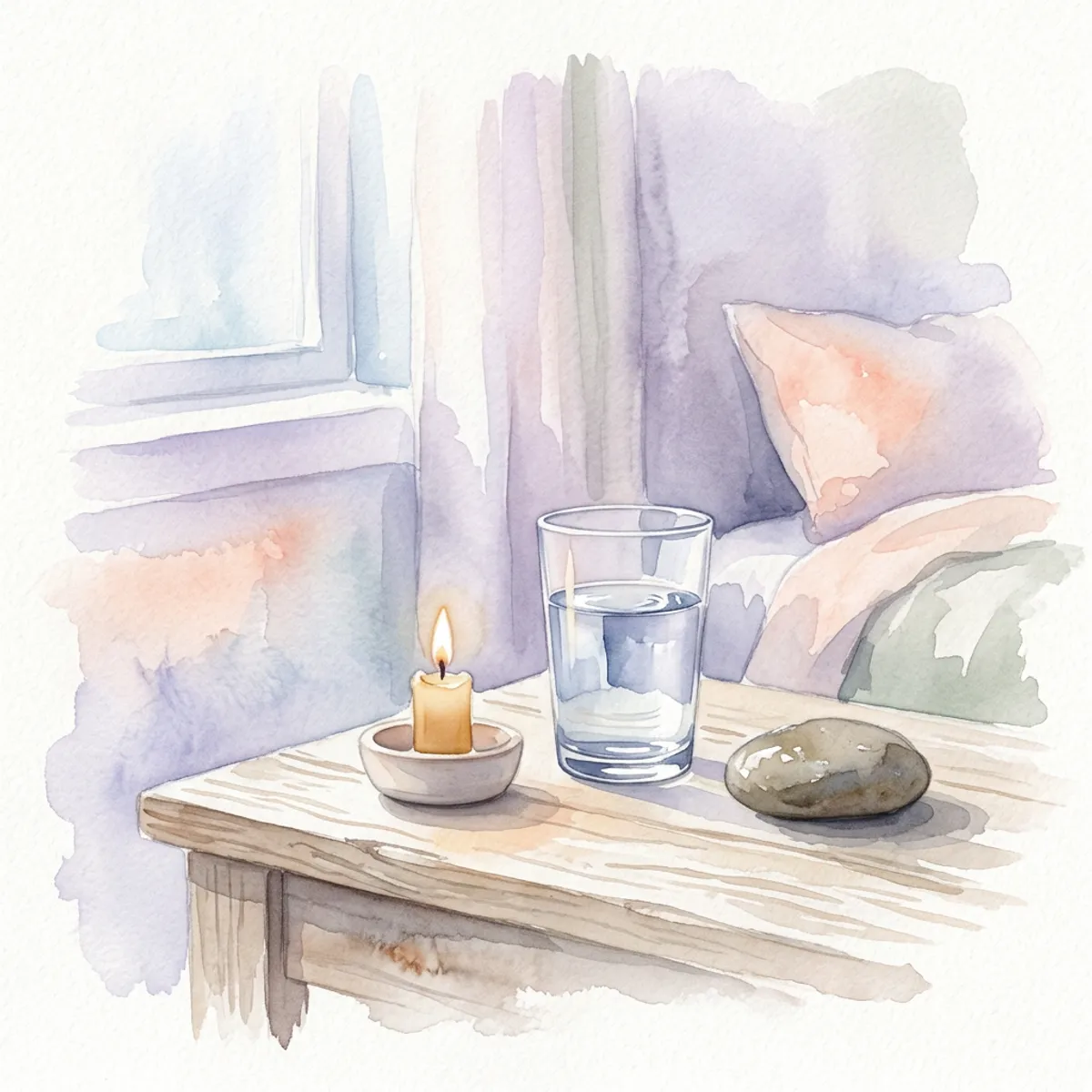
For the body: Drink a full glass of water. Step outside the door and take three breaths. Stretch your arms over your head until something clicks.
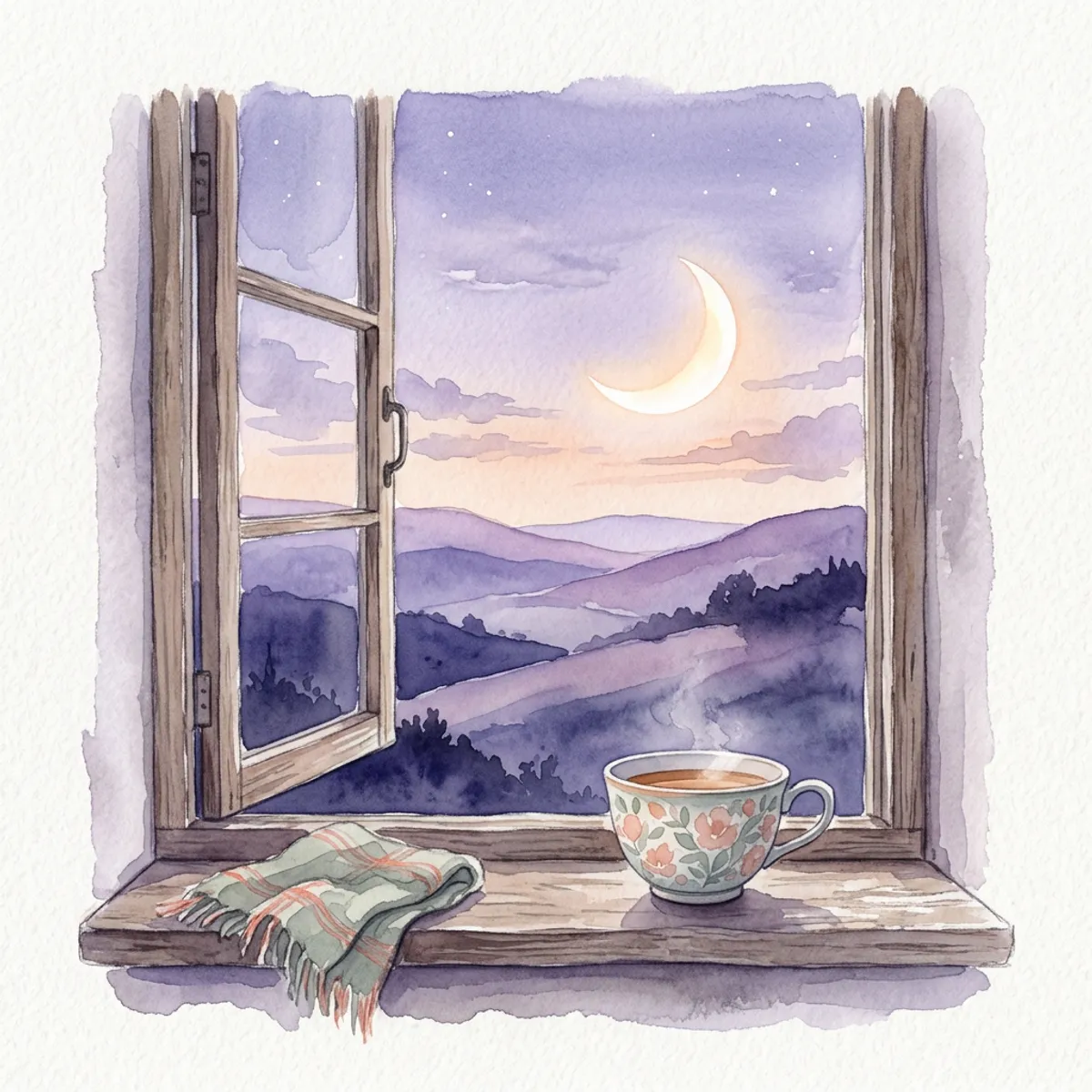
For the room: Open a window for one minute. Put one thing back where it lives. Turn on one warm lamp instead of the overhead light.
For the mind: Write one sentence — any sentence — about today. Name three things you can see. Send one emoji to someone you love, no text required.
For the evening: Put your phone across the room. Wash your face slowly. Get into actual pajamas instead of falling asleep in your clothes.
Notice what's not on the list: anything that produces something, proves something, or catches you up. A rescue is not a productivity hack shrunk down. It's a signal — from you, to you — that says still here.
Why one thing is enough
It seems impossible that a glass of water could matter. Here's why it does.
First, it keeps the repetition alive. Habits live on repetitions, and a two-minute version is a full repetition as far as your brain is concerned — tiny rituals carry real weight.
Second, it changes the day's ending. A day where you did one small thing is a categorically different memory than a day where you did nothing. Not better by a little — different in kind. It's the difference between I stopped and I stayed, quietly.
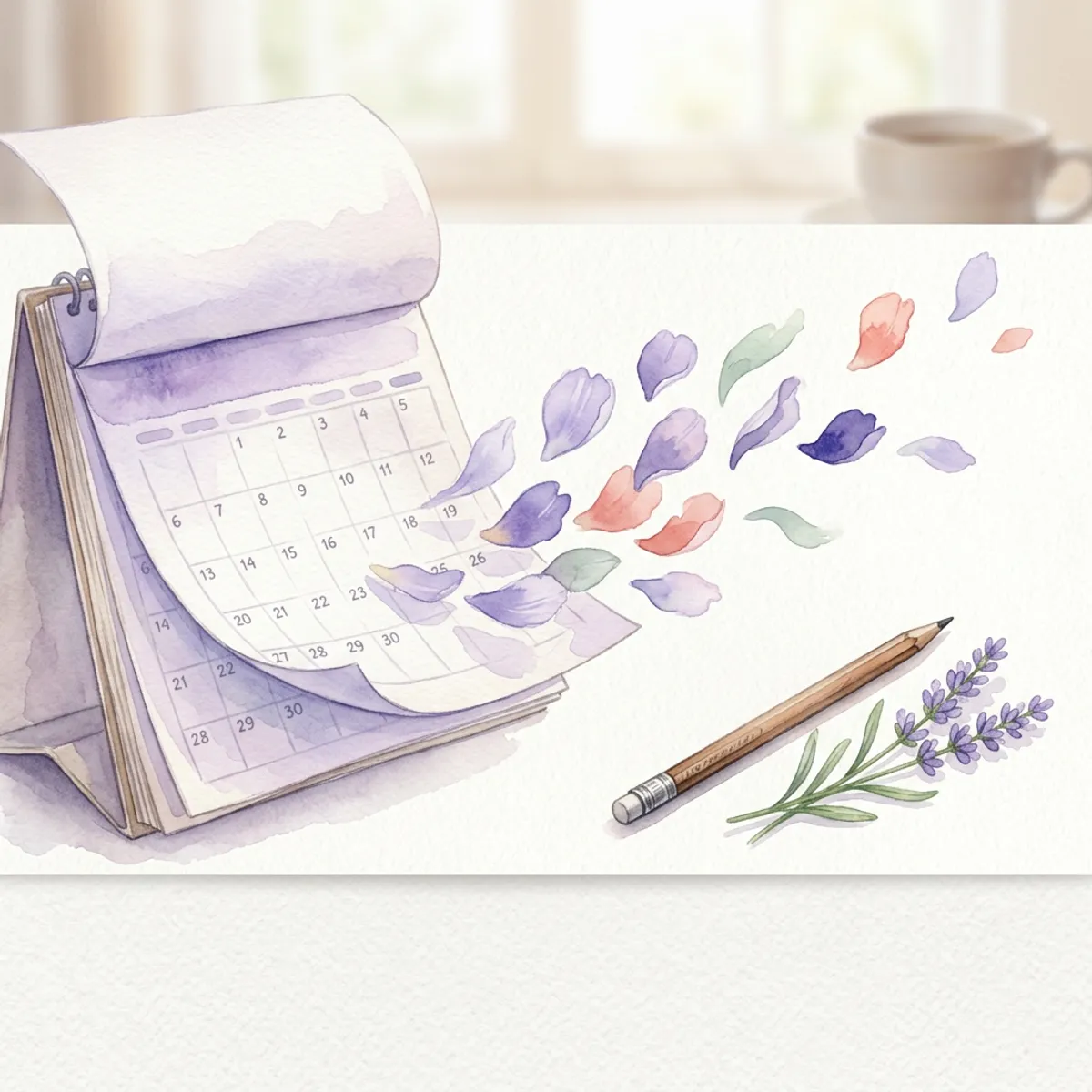
Third, it makes returning easier. The hardest part of any habit is coming back after a gap, and a rescue day means there is no gap. There's just a very small day.
This is exactly why Intended has a rescue built in: on the days that fall apart, the app offers you one small thing — not the plan, not a catch-up list, just one square for the day. The mosaic doesn't record that the day was hard. It records that you came.
Build yours tonight
Don't wait for the next hard day. Tonight, while things are ordinary:
- Pick one action from the menu above, or invent your own two-minute thing
- Say it out loud once — on the bad days, I drink a glass of water, and that's enough
- Mean the second half. That's the part that takes practice
The bad days will still come. But you'll meet them with a plan the size of the day itself — and a way to end even the worst one with still here.
It doesn't count streaks. It counts how many times you came back.
Intended is free on iOS. Keep a few small intentions, and read your month back at the end of it.