The Case for a Slow Morning (It Works)
Part of: Self-care on difficult days
Small, compassionate routines for anxious mornings, low-energy days, and fresh starts.
Read the complete guideThe internet loves morning routines. Cold plunges at dawn. Gratitude journals before sunrise. Two hours of deep work before the world wakes up. It's inspiring content. But for most people, it's also exhausting to think about.
What if the most powerful morning routine is... no routine at all?
The myth of the optimized morning
The "optimized morning" trend assumes that every minute of your day should be productive. That rest is inefficient. That if you're not waking up before your alarm, you're falling behind.
But who are you falling behind? And where exactly are you racing to?
The truth is, most people who follow rigid morning routines eventually burn out. They feel guilty on the days they sleep in. They resent the routine instead of enjoying it. The thing that was supposed to give them peace becomes another source of pressure.
What a slow morning looks like
A slow morning doesn't mean a lazy morning. It means an intentional one. It might look like:
- Waking up without an alarm (when possible)
- Lying in bed for a few extra minutes without reaching for your phone
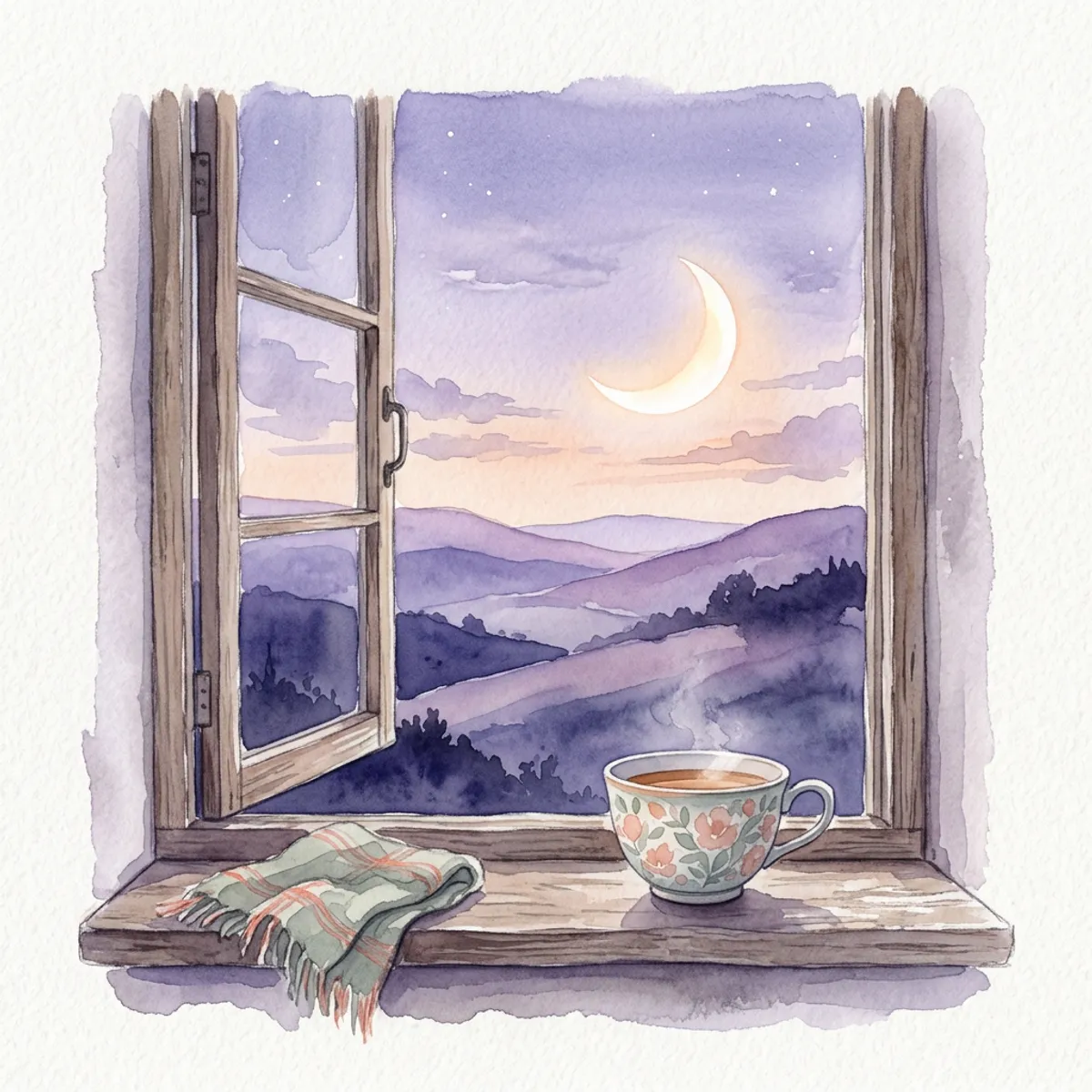
- Making tea or coffee slowly, without multitasking
- Looking out the window before looking at a screen
- Eating breakfast sitting down, tasting the food
These aren't productivity hacks. They're acts of presence. And presence is the foundation of every good habit.
Why slowing down helps you show up
When you start your day in a rush, your nervous system kicks into fight-or-flight mode. You're reactive, not intentional. Every decision feels urgent, even when it's not.
When you start slowly, you give your brain time to settle. You make better decisions. You're more patient with yourself and others. You're more likely to follow through on the things that matter to you — not because you're disciplined, but because you're grounded.
You don't need more willpower
Most habit advice focuses on discipline. "Just push through." "Be consistent." "Don't make excuses." But willpower is a limited resource. If you spend it all in the first hour of your day, you have nothing left for the moments that actually need your attention.
A slow morning conserves your energy. It lets you start from a place of fullness instead of depletion. And from that place, habits don't feel like obligations — they feel like choices.
Try it this week
Pick one morning this week and try something different. Don't set an alarm (or set a gentle one). Don't check your phone for the first 30 minutes. Don't rush. Just be. Notice how it feels.
That's the spirit behind Intended. Not more habits. Not a longer checklist. Just a little more space to breathe, and the permission to take things at your own pace. If you're ready to bring more of this into your life, explore how self-compassion transforms your daily routine.
It doesn't count streaks. It counts how many times you came back.
Intended is free on iOS. Keep a few small intentions, and read your month back at the end of it.