Building Habits With Anxiety (Without Making It Worse)
Part of: Habit tracking without pressure
Choose, build, and return to habits without chains, penalties, or all-or-nothing thinking.
Read the complete guideWhen you live with anxiety, the advice to "just build better habits" can feel like someone handing you a to-do list while your house is on fire. You know the habits would help — exercise, sleep, journaling, whatever it is. But the pressure to do them perfectly, the guilt when you don't, and the overwhelm of one more thing to manage can make habit tracking feel like another source of stress, not relief.
It doesn't have to be this way. Building habits with anxiety isn't about discipline or willpower. It's about designing a system that works with your brain, not against it.
Why traditional habit trackers make anxiety worse
Most habit apps are built on assumptions that don't account for anxiety. They assume you have a predictable schedule, consistent energy levels, and a stable baseline of motivation. For people with anxiety, none of that is guaranteed.
Here's what goes wrong:
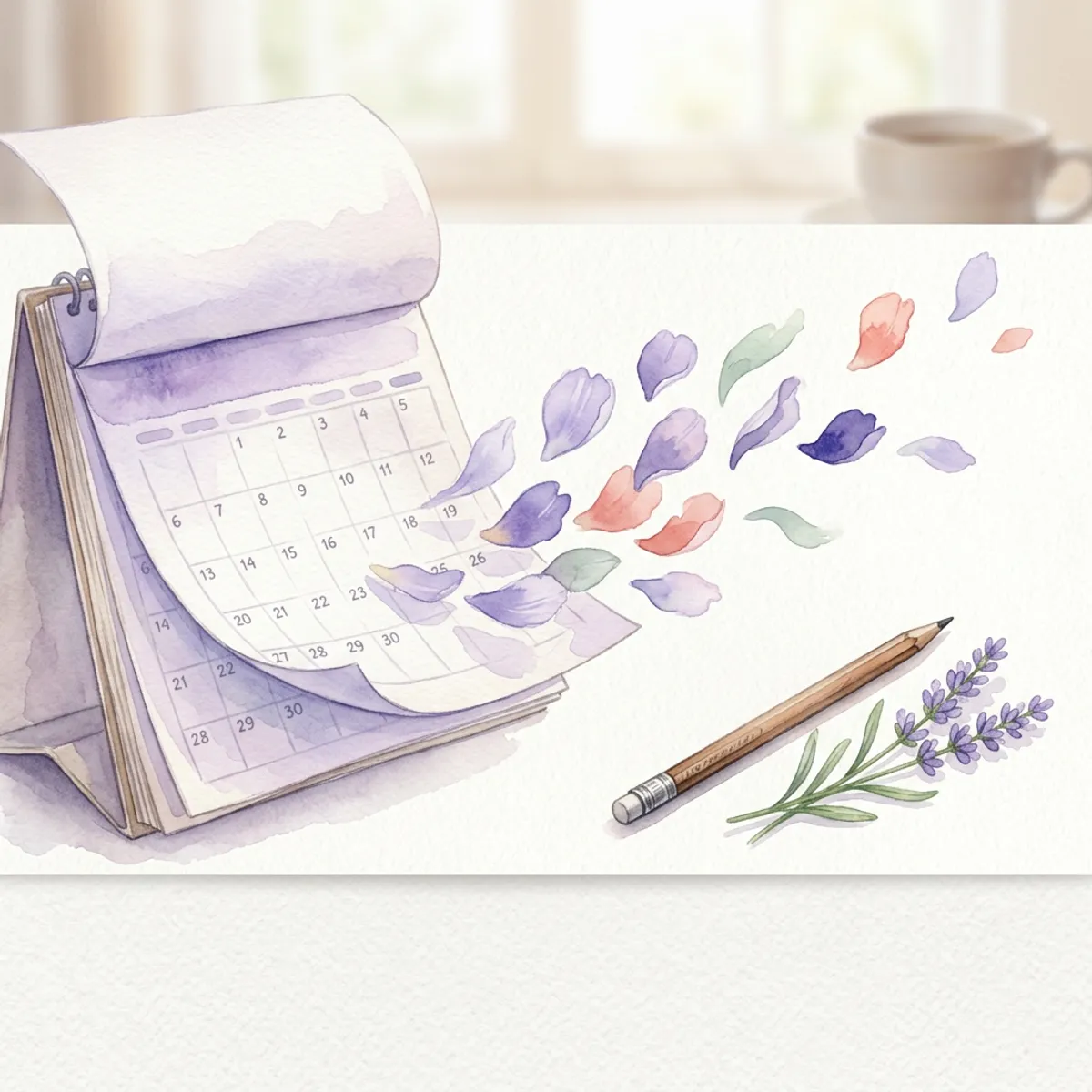
- Streaks create pressure.When a streak becomes something you *can't afford* to break, checking off a habit stops being self-care and starts being [another source of anxiety](/blog/why-gentle-habits-last-longer-than-streaks). The very tool meant to help you becomes something you dread.
- Scores feel like judgment.Habit apps that give you a daily score or completion percentage turn every day into a test. For someone already prone to self-criticism, seeing "65% complete" doesn't feel motivating — it feels like a grade. And it's never an A+.
- Missed days trigger shame spirals.For most people, missing a habit day is annoying. For people with anxiety, it can trigger a cascade: "I missed today → I always fail at these things → What's wrong with me → Why do I even try." One missed day becomes evidence of a larger failure.
- Too many notifications.Reminders that say "Don't forget to meditate!" can feel supportive in theory, but for an anxious mind, they read as "You haven't done this yet. You're behind. You're failing."
The problem isn't you. It's that these apps were designed without considering how anxiety changes the relationship between intention and action.
The smallest possible habit
The single most effective strategy for building habits with anxiety is to make the habit so small that it's impossible to fail. Not difficult. Not challenging. Impossible to fail.
Try an action that's small enough to fit into an ordinary day, such as taking one breath before you get up. You can make it your own rather than following someone else's method.
For someone with anxiety, this approach is transformative because it removes the performance pressure entirely. You're not trying to meditate for 20 minutes. You're trying to sit down on your cushion. That's it. You did the habit. Everything else is extra.
Examples of smallest-possible habits:
- Want to exercise?Put on your shoes. That's the habit.
- Want to journal?Open the notebook. Write one word if that's all you have.
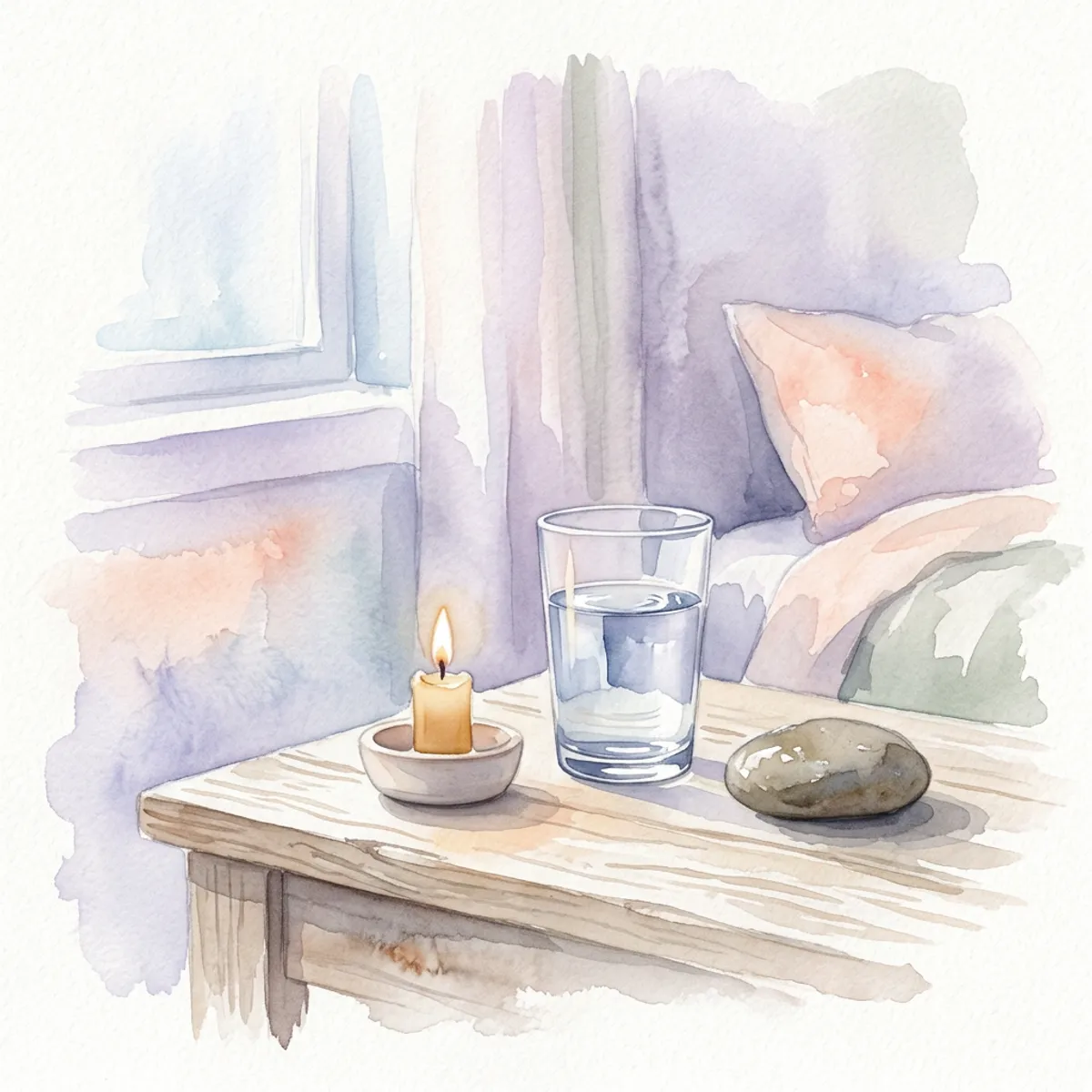
- Want to drink more water?Fill a glass. You don't even have to drink it yet.
- Want to read?Open the book. Read one sentence.
- Want to meditate?Sit down and take one breath.
The point isn't that one breath will cure your anxiety. The point is that you proved to yourself you can show up. And for an anxious brain that constantly tells you you can't, that proof matters enormously.
Remove the tracking pressure
Traditional habit tracking assumes that daily accountability is motivating. But for people with anxiety, daily tracking can become another obligation — another thing to worry about forgetting, another thing to feel guilty about skipping.
Consider these alternatives:
- Check in when you feel like it.Instead of tracking daily, notice your habits weekly. [Did you move your body this week](/blog/progress-looks-different-than-you-think)? Did you get outside? That's more than enough data.
- Track direction, not completion.Instead of "Did I meditate today? Yes/No," try "Am I generally moving toward more calm in my life?" The answer is almost always yes, even on hard weeks.
- Use gentle reminders, not guilt-inducing notifications.There's a difference between "Remember, you wanted to take a walk today" and "You haven't completed your daily walk!" The first is a friendly nudge. The second is a reprimand.
Focus areas instead of goals
Goals are specific, measurable, and — for anxious people — often terrifying. "Meditate for 20 minutes every day" leaves no room for bad days, anxiety flares, or just not feeling like it.
Focus areas are gentler. Instead of a goal, you choose a direction:
- Instead of "Exercise 5 times a week," try "Move my body more."
- Instead of "Journal every morning," try "Make more space for reflection."
- Instead of "No screen time after 9pm," try "Wind down more gently at night."
Focus areas give you credit for partial effort. A five-minute walk counts as "moving your body more." Writing two sentences counts as "making space for reflection." There's no minimum threshold, no daily requirement, no failure state.
Celebrate showing up, not performing
This might be the most important shift: stop measuring what you accomplished and start noticing that you showed up.
You sat down to journal but only stared at the page? You showed up.
You went to the yoga mat but just lay there? You showed up.
You opened the meditation app but your mind raced the whole time? You showed up.
For someone with anxiety, showing up is the hard part. The anxiety tells you not to bother, tells you it won't be good enough, tells you you'll just fail again. Every time you show up despite that voice, you're building something more valuable than a streak: you're building trust in yourself.
Practical tips for anxious habit builders
Start with 1-2 habits, not 10. Your anxious brain is already managing a lot. Don't add ten new things to track. Pick one or two that genuinely matter to you right now. You can always add more later.
Choose habits that reduce anxiety. Not all habits are created equal when you're managing anxiety. Prioritize the ones that directly help:
- A short walk outside (movement + nature)
- Deep breathing or box breathing (nervous system regulation)
- Drinking water (dehydration worsens anxiety symptoms)
- A brief body scan before bed (helps with sleep and winding down)
- Writing down one worry and setting it aside (externalization)
Give yourself breathing room. If you've been doing a habit for two weeks and then miss three days, that's not starting over. That's being human. The art of starting again without shame is perhaps the most important skill you can develop.
Track weekly, not daily. At the end of the week, ask yourself: "Did I do something kind for myself this week?" The answer is almost always yes. That's your progress.
Remove friction. Put your journal next to your bed. Keep your walking shoes by the door. Fill a water bottle the night before. The less energy a habit requires to start, the less your anxiety can talk you out of it.
Let go of the "right way." There is no right way to build habits. There's only your way. The Instagram version of journaling with perfect handwriting in a leather-bound notebook is someone else's practice. Yours might be typing two sentences in your phone's notes app. Both count.
A space designed for anxious minds
Intended turns small actions into a mosaic, notices when you come back, and writes a short monthly letter about your patterns. No streaks, no scores.
Because building habits with anxiety isn't about doing more. It's about finding a way to do something small, something kind, something yours — and knowing that it counts.
It doesn't count streaks. It counts how many times you came back.
Intended is free on iOS. Keep a few small intentions, and read your month back at the end of it.